


Linux Pandora Box Goes into Mass Production

Around $330 gets you a Linux-based Pandora handheld by shopping online, although the first buyers had to hurry.
The Pandora looks like a Nintendo DS with a built-in keypad. It is the successor to the GP2X released around three years ago. The manufacturer, OpenPandora, hopes to produce 3,000 devices during this year -- assuming enough paid orders come in. Mass production should start 2009.
Visitors started besieging the OpenPandora website soon after the announcement and within six hours 2,000 orders had come in, bringing down the site for a short while. The forum was so overloaded that a temporary one had to be put in its place. The first batch of devices was orderable until Sunday, October 5 (even if they have to raise the batch to 4,000 units), and the first Pandoras should be entering the mail by end of November if all goes according to plan. The website will be updated on Tuesday with the final sales figures and the week after the very first of the mass production PCBs should be seen. The second batch orderable after October 5 should be available next year.
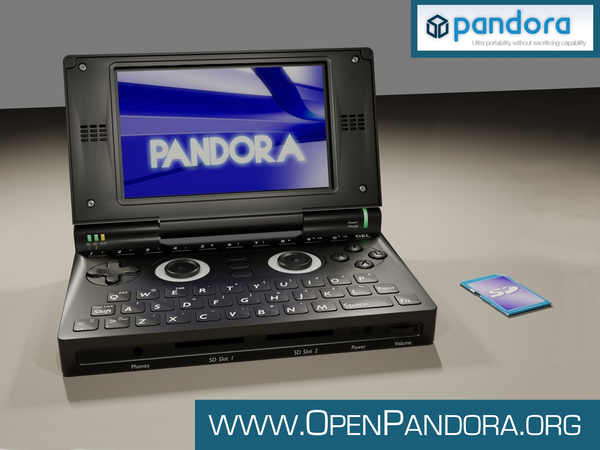 Good box, bad name: the Linux-powered Pandora
The diminutive Pandora handheld comes with an ARM Cortex-A8 CPU, 128MB active and 156 flash storage, and an OpenGL 2.0 ES-compliant PowerVR SGX 3D graphics processor. The 4.3" touchscreen LCD displays 800x480 pixels in 16 million colors. Input devices include the tiny gaming controls reminiscent of Gamepads and a 43-button QWERTY keyboard. Little treats include Wifi 802.11b/g, Bluetooth, a USB 2.0 port and an S-Video connection for TV output. The batteries should provide at least 10 hours of gaming pleasure. To see the Pandora in action, see the video on OpenPandora's Developer Blog page.
While all the possible tools for gamemakers are available for free on the developer wiki, older console emulators will probably keep the game supply coming, much as they did for the GP2X predecessor.
Subscribe to our Linux Newsletters
Find Linux and Open Source Jobs
Subscribe to our ADMIN Newsletters
Support Our Work
Linux Magazine content is made possible with support from readers like you. Please consider contributing when you’ve found an article to be beneficial.

News
-
Canonical Releases Ubuntu 24.04
After a brief pause because of the XZ vulnerability, Ubuntu 24.04 is now available for install.
-
Linux Servers Targeted by Akira Ransomware
A group of bad actors who have already extorted $42 million have their sights set on the Linux platform.
-
TUXEDO Computers Unveils Linux Laptop Featuring AMD Ryzen CPU
This latest release is the first laptop to include the new CPU from Ryzen and Linux preinstalled.
-
XZ Gets the All-Clear
The back door xz vulnerability has been officially reverted for Fedora 40 and versions 38 and 39 were never affected.
-
Canonical Collaborates with Qualcomm on New Venture
This new joint effort is geared toward bringing Ubuntu and Ubuntu Core to Qualcomm-powered devices.
-
Kodi 21.0 Open-Source Entertainment Hub Released
After a year of development, the award-winning Kodi cross-platform, media center software is now available with many new additions and improvements.
-
Linux Usage Increases in Two Key Areas
If market share is your thing, you'll be happy to know that Linux is on the rise in two areas that, if they keep climbing, could have serious meaning for Linux's future.
-
Vulnerability Discovered in xz Libraries
An urgent alert for Fedora 40 has been posted and users should pay attention.
-
Canonical Bumps LTS Support to 12 years
If you're worried that your Ubuntu LTS release won't be supported long enough to last, Canonical has a surprise for you in the form of 12 years of security coverage.
-
Fedora 40 Beta Released Soon
With the official release of Fedora 40 coming in April, it's almost time to download the beta and see what's new.