


Compress JPEG images with Lepton
Although more sophisticated image formats have existed for some time [1], JPEG is still one of the most common. Whether you are working on a smartphone, compact camera, or professional photo device, you'll find an option for generating images in JPEG format. The flood of JPEG images caused by so many millions of users snapping photos actually sucks up lots of storage space on file hosting servers. This problem led cloud provider Dropbox [2] to look for a better way to store photo images. The result of this effort is the new Lepton image format, which reduces the space requirements for JPEG images by up to 25 percent. Lepton works losslessly, meaning the image remains exactly the same after you reconvert it (Figure 1). Dropbox says it has already applied the new format to 16 billion images and has thus saved multiple petabytes of storage space. The Dropbox cloud transparently converts JPEG images to Lepton format and changes them back into the original format as soon as someone accesses them.
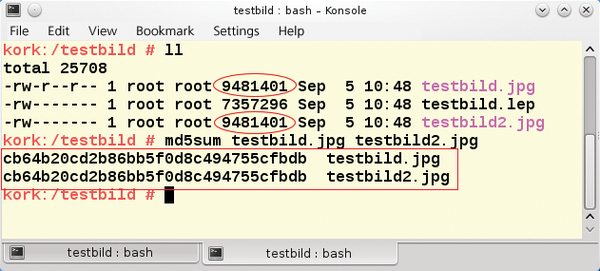 Figure 1: Lepton doesn't make any changes to the image when converting and reconverting: The image remains exactly the same.
Unlike JPEG, Lepton doesn't reduce the visible image – image reduction often results in known artifacts with JPEG. Instead, Lepton is designed to reduce the data needed for the image information using the Middle-out algorithm, a type of arithmetic coding that is also used in the VP8 video format. A Dropbox blog post provides a detailed technical explanation about how the Lepton format reduces the size of a JPEG file [3].
[...]
Buy this article as PDF
(incl. VAT)
Buy Linux Magazine
Subscribe to our Linux Newsletters
Find Linux and Open Source Jobs
Subscribe to our ADMIN Newsletters
Digital Autonomy
• How the Fediverse Found Parts for Its Platforms
• The Answer Was Already on the Shelf
• Changing the Chip Industry: How Public Investment Has Grown Open Silicon
• United Nations Open Source Portal Goes Live
• EU Open Source Strategy Plays Key Role in Tech Sovereignty Package
• France Says “Au Revoir” to Microsoft
Support Our Work
Linux Magazine content is made possible with support from readers like you. Please consider contributing when you’ve found an article to be beneficial.

News
-
openKylin 3.0 Released with Expanded AI Integration
The latest release features a pre-installed AI agent to help perform tasks.
-
DigitalOcean Ends Open Source Credits Program
In a change that has surprised many open source developers, DigitalOcean has decided to sunset its Open Source Credits Program.
-
Office 365 Available for Testing on Linux via Bottles
Linux users can now test the official Office 365, thanks to Mirko Brombin's work on Bottles.
-
Dutch Government Turns to Open Source for Digital Sovereignty
Following in the footsteps of other European countries, the Netherlands is looking to increase its sovereign digital infrastructure with open source software.
-
Linux May Soon Work on Snapdragon X2-Based PCs
If you're thinking about buying a Snapdragon X2-based desktop or laptop, Linux may soon be an option.
-
KDE for People Initiative Calls for AI Ban in Plasma
A new community of KDE wants the project to adopt a strict no-AI policy for KDE Plasma.
-
KDE Sets Ambitious Goals for 2026 and Beyond
KDE Connect reveals the goals for the Linux desktop darling, with one of those goals long overdue.
-
It’s Time to Test Fedora 45 Beta
Fedora 45 beta has been released with updated Gnome, KDE Plasma, and kernel.
-
Ubuntu Stonking Stingray Gets Even Rustier
Ubuntu 26.10 has completed its migration to the Rust-based coreutils.
-
AI Fixes Linux Bottlenecks Using “Hideous” Code
A Linux developer used AI to fix bottlenecks that caused problems when building the kernel. The resulting AI-generated code needed a lot of work.