


Librem 5 – The risks of crowdfunding open hardware

Open Hardware – Crowdfunding
© Lead Image © Burmakin Andrey, 123RF.com
With the Librem 5 as a cautionary tale, Bruce ponders the risks of backing crowdfunding campaigns.
Librem 5 [1] (Figure 1), Purism's free-licensed phone, was supposed to be a major milestone in open hardware. Other efforts at a free phone, ranging from Openmoko to the Ubuntu Touch, have failed in the past, but the Librem 5 looked like it might be different. Yet as the Librem 5 starts to ship, some are already taking its difficulties as proof that a free phone is unpractical. Very likely, the problems will eventually be fixed, but, for now, the Librem 5 is starting to look like a cautionary tale about the dangers of crowdfunding and of backing unproven open hardware.
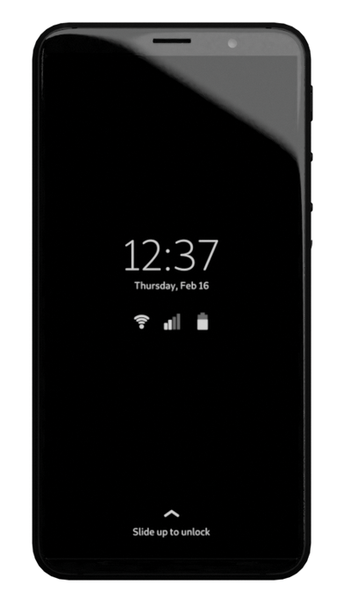 Figure 1: The long-anticipated release of the Librem 5 phone has yet to live up to expectations.
In August 2017, the Librem 5 was announced with a crowdfunding campaign. Already a critical success with a line of free laptops, Purism created considerable buzz with a series of announcements about partnerships with Gnome, KDE, and other projects in the Librem 5's development. Cynics voiced doubts, but many in the media – including me – expressed enthusiastic and repeated support. After all, the Librem 5 was something that many advocates of open source had awaited for years. It helped, too, that Purism brushed aside the difficulties of developing a phone that depended on neither Android nor iOS. In a 2018 interview with Linux Pro Magazine, Todd Weaver, Purism's CEO, said simply, "this is a simple equation of momentum and time. We have hundreds of development kits shipping to active developers. Plus, we have emulators, so we will see more and more applications being written and ported to PureOS. It is only a matter of time."
[...]
Buy this article as PDF
(incl. VAT)
Buy Linux Magazine
Related content
-
Freedom and Security
Despite a few ups and downs in development, Purism moves ahead in its quest to produce a free and secure phone.
-
Open Hardware – Librem One
Ahead of the Librem 5 phone release, Purism releases a suite of communications applications called Librem One, including Chat, Mail, and more. But how accessible are these apps for average users?
-
Open Hardware – Librem 5
Purism is committed to creating a completely free phone that protects your data, keeps your communications private, and supports your digital rights.
-
Open hardware, free software, and crowdfunding

-
Purism
At Purism, a company specializing in Linux laptops, social and ethical considerations are as important as profit.
Subscribe to our Linux Newsletters
Find Linux and Open Source Jobs
Subscribe to our ADMIN Newsletters
Digital Autonomy
• How the Fediverse Found Parts for Its Platforms
• The Answer Was Already on the Shelf
• Changing the Chip Industry: How Public Investment Has Grown Open Silicon
• United Nations Open Source Portal Goes Live
• EU Open Source Strategy Plays Key Role in Tech Sovereignty Package
• France Says “Au Revoir” to Microsoft
Support Our Work
Linux Magazine content is made possible with support from readers like you. Please consider contributing when you’ve found an article to be beneficial.

News
-
Is Linus Torvalds Vibe Coding?
The creator of Linux has added AI into his process for Linux kernel development, and it's more than just for debugging.
-
openKylin 3.0 Released with Expanded AI Integration
The latest release features a pre-installed AI agent to help perform tasks.
-
DigitalOcean Ends Open Source Credits Program
In a change that has surprised many open source developers, DigitalOcean has decided to sunset its Open Source Credits Program.
-
Office 365 Available for Testing on Linux via Bottles
Linux users can now test the official Office 365, thanks to Mirko Brombin's work on Bottles.
-
Dutch Government Turns to Open Source for Digital Sovereignty
Following in the footsteps of other European countries, the Netherlands is looking to increase its sovereign digital infrastructure with open source software.
-
Linux May Soon Work on Snapdragon X2-Based PCs
If you're thinking about buying a Snapdragon X2-based desktop or laptop, Linux may soon be an option.
-
KDE for People Initiative Calls for AI Ban in Plasma
A new community of KDE wants the project to adopt a strict no-AI policy for KDE Plasma.
-
KDE Sets Ambitious Goals for 2026 and Beyond
KDE Connect reveals the goals for the Linux desktop darling, with one of those goals long overdue.
-
It’s Time to Test Fedora 45 Beta
Fedora 45 beta has been released with updated Gnome, KDE Plasma, and kernel.
-
Ubuntu Stonking Stingray Gets Even Rustier
Ubuntu 26.10 has completed its migration to the Rust-based coreutils.